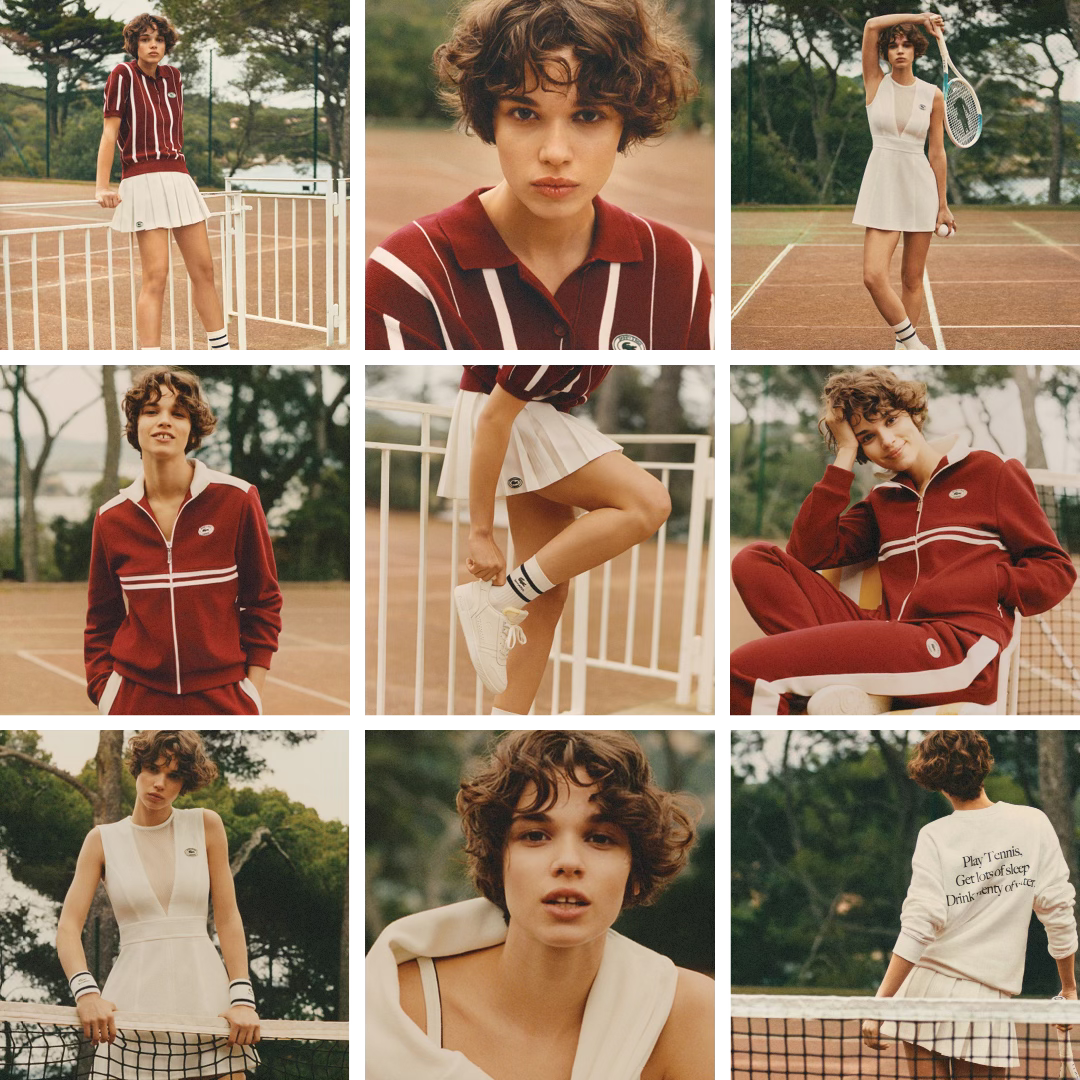
wardrobe code: tennis
game, set, match.

If I didn’t write about fashion, I would definitely write about tennis. Having played the sport since I was a child, it has always been a significant part of my life. Beyond my personal connection with it, this time of year, with both Roland Garros and Wimbledon in the calendar, tennis and its uniform become a focal point of fashion. Even those who have never watched a match in their life are influenced by it.
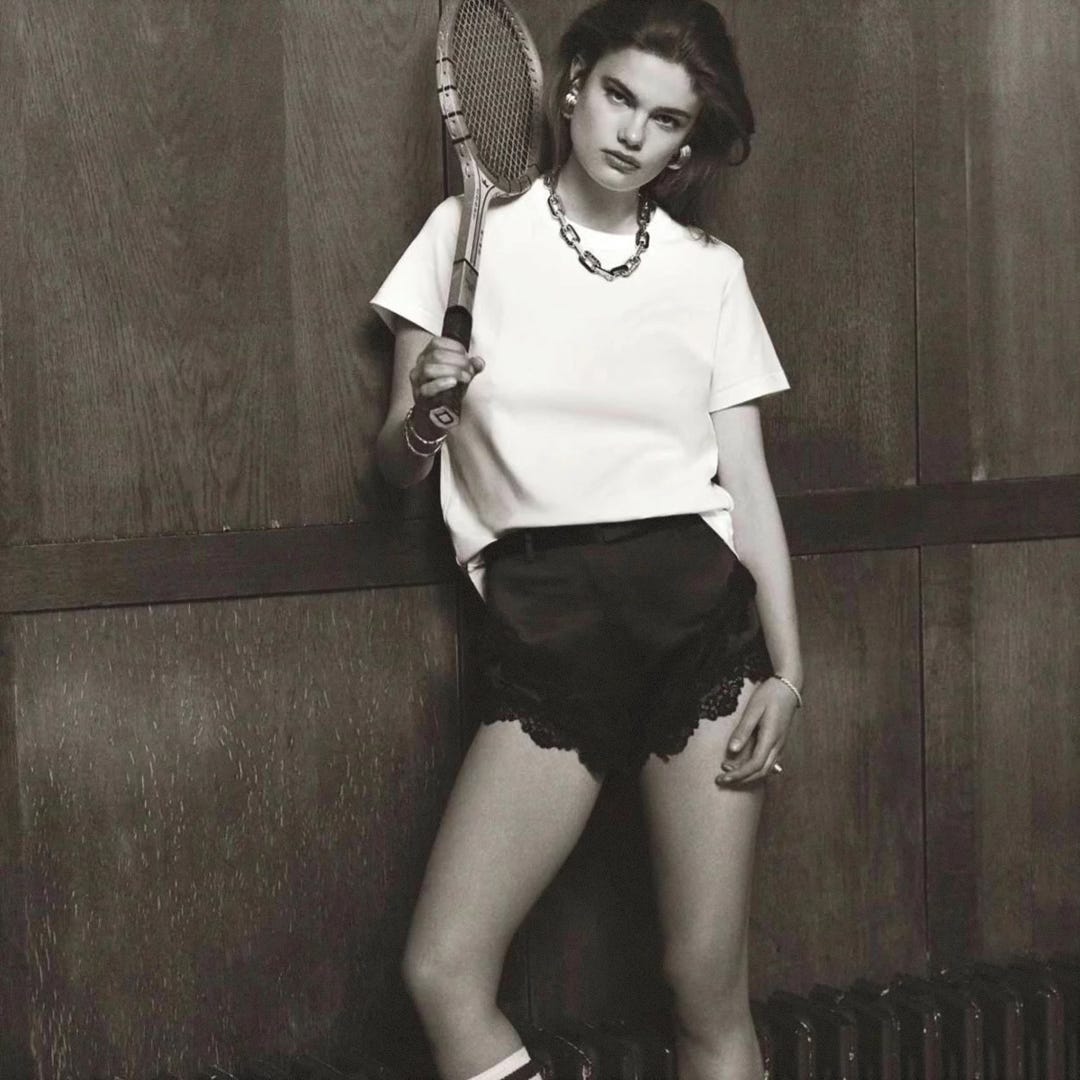
Over the past few years, tennis has gained popularity among those seeking to achieve the “old money” aesthetic. Instagram influencers and their followers used it as a way to emulate the privilege of country club sports without actually belonging to one. Miu Miu has popularized the look on the runway with micro pleated skirts and cropped polos. Meanwhile, Sporty & Rich has popularized the look on the streets, extending it from the country club aesthetic to retro styles from the eighties and nineties.
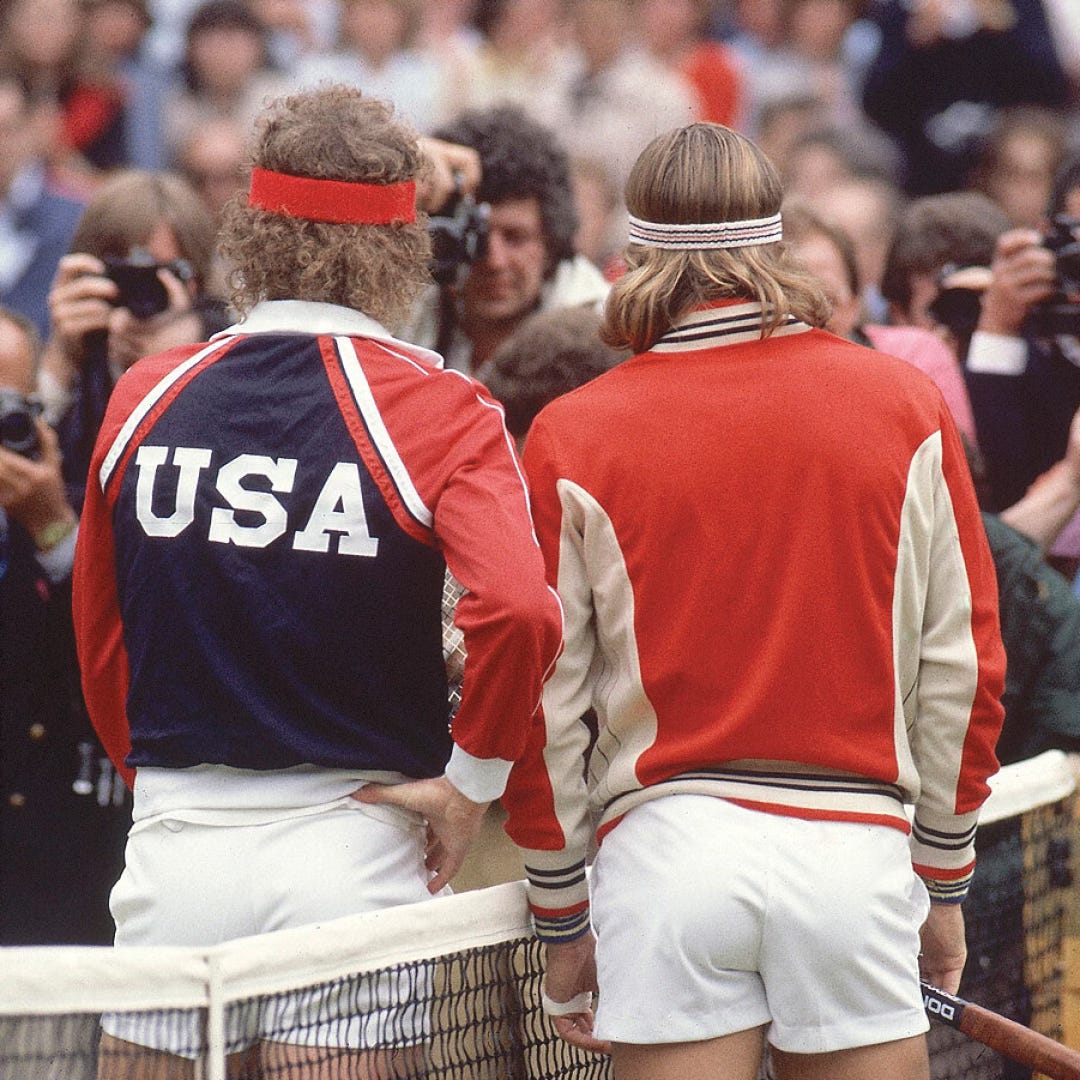
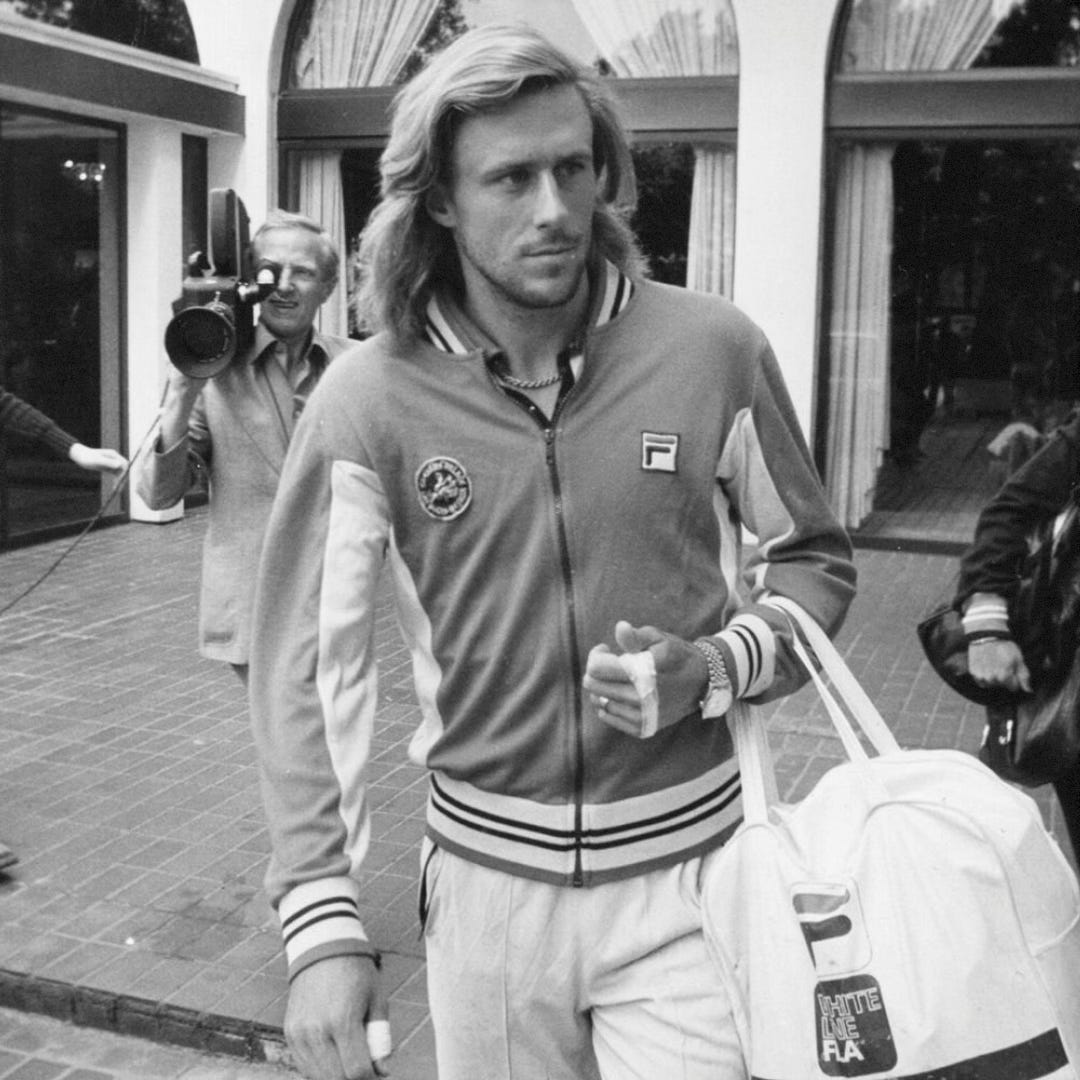
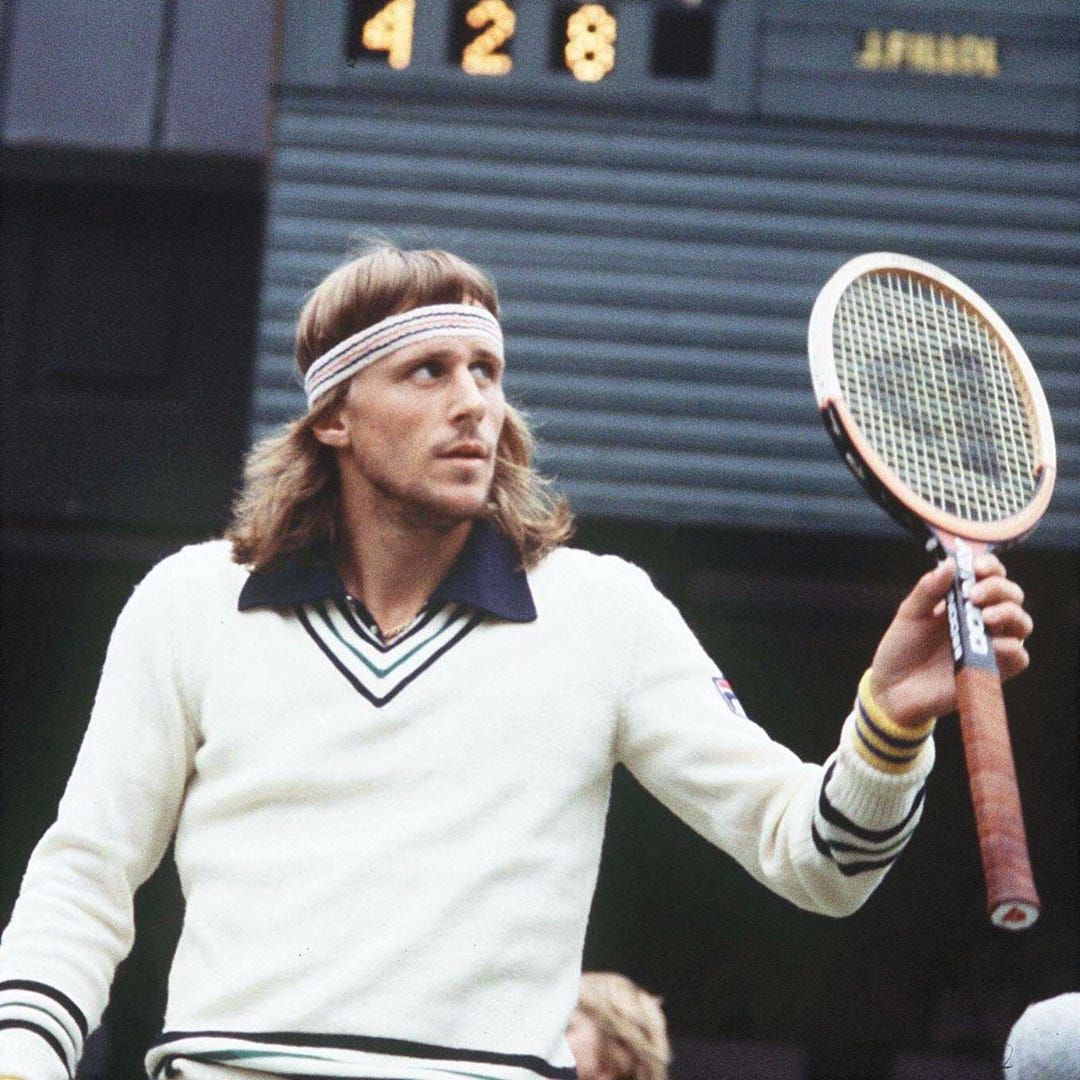
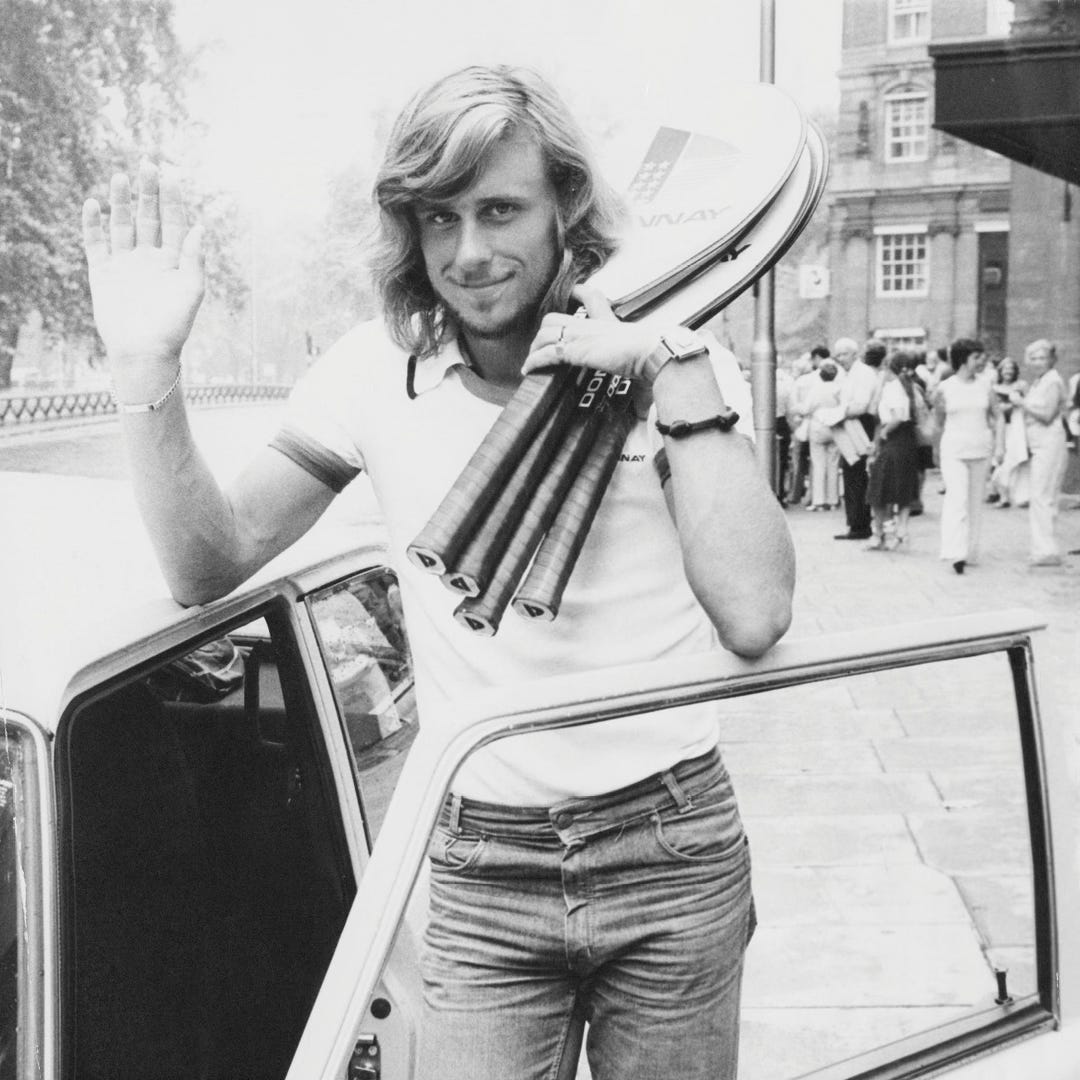
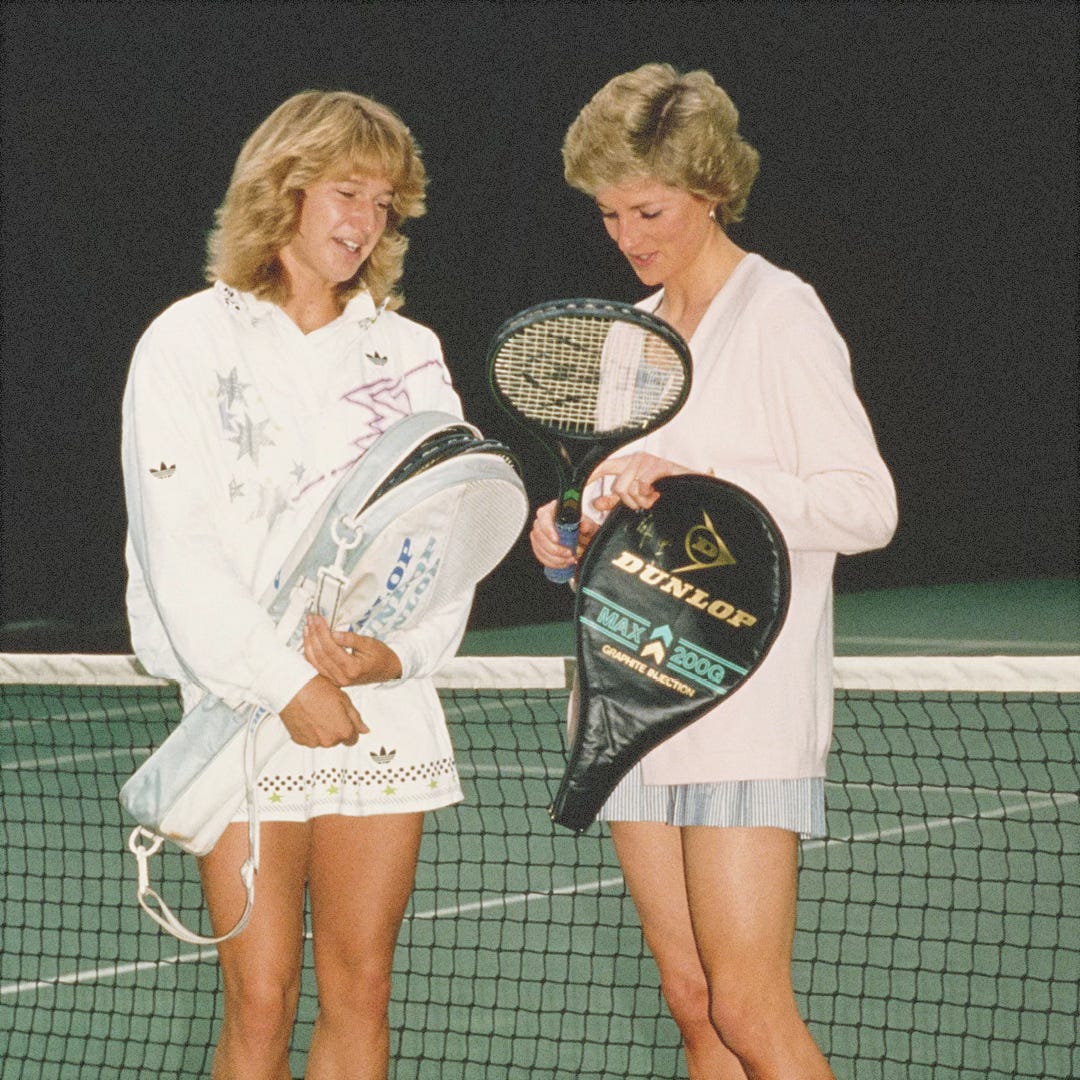
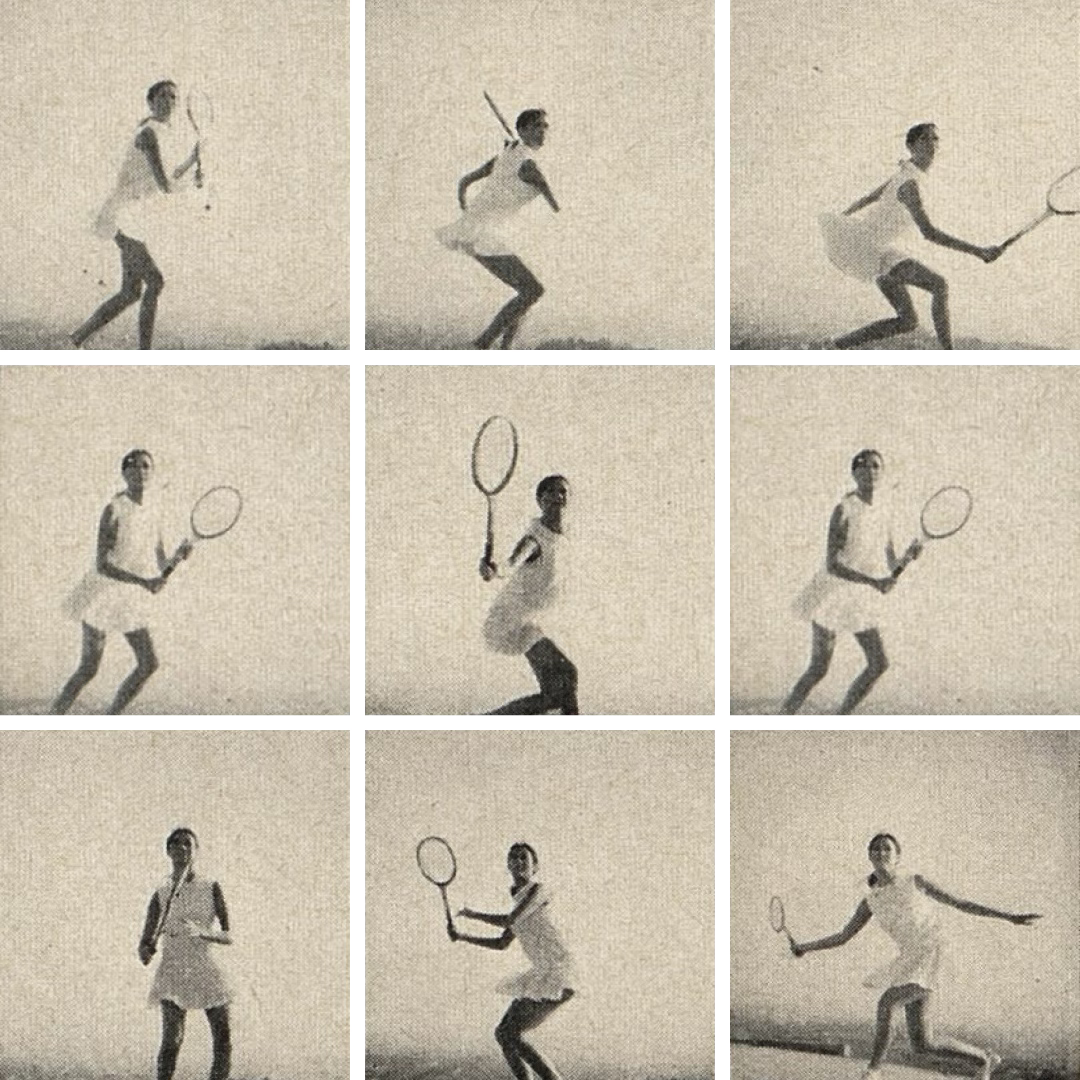
Tennis has a long history and an aristocratic one and, therefore, it has long been associated with the leisure of the one percent. In the 1800s, despite the restrictive gender roles of the time, it was a sport in which both men and women competed together. Since then, it has come a long way. For women, what was once long dresses with collars and long sleeves, not to mention petticoats, evolved into short pleated or ruffled dresses. As the decades passed, hemlines became shorter and shorter. For men, there has been more variety. What started with trousers and starched, buttoned shirts evolved into René Lacoste’s tennis polo shirts in the thirties, to Bjorn Borg’s fitted shorts and shirts in the seventies, and culminated in the nineties with Andre Agassi’s clothes in clashing colors and patterns, including denim shorts paired with neon pink and yellow shirts. Meanwhile, Pete Sampras and later Roger Federer in the 2000s embodied the traditional look once again.
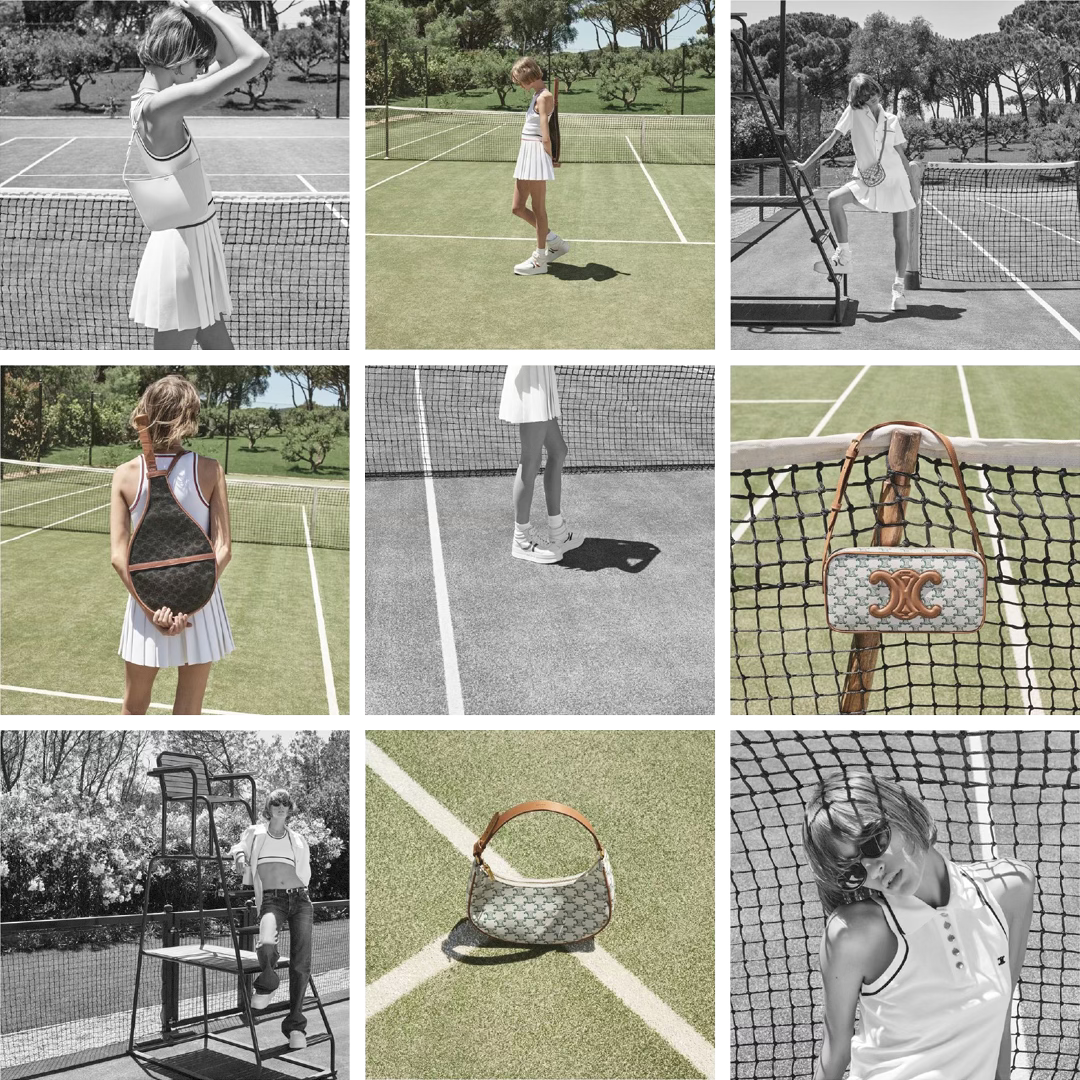
The all-white dress code in tennis was established at Wimbledon in the 1880s and has been the standard for over a century. An all-white outfit means the player’s ability to keep their clothes clean, despite playing on a court of dusty clay or fresh-cut grass. Additionally, sweat stains are less visible on white clothing. Over time, however, dress codes loosened up and, especially since the eighties, players have popularized pops of color on the court.
Although there have been many technological advances in the sport's clothing history over the past century, it is the traditional look that catches attention on and off the court. Women wear mostly pleated or ruffled skirts, polo shirts, and cable-knit sweaters. Meanwhile, men wear shorts and polo shirts. For those wealthy enough to splurge, accessories include luxury watches, pearl strings, and tennis bracelets (The term “tennis bracelet” was coined during a U.S. Open match when the American player Chris Evert paused the game to look for her diamond bracelet after the clasp broke.) For both sexes, the color palette consists of white, green, navy, or pastel colors.
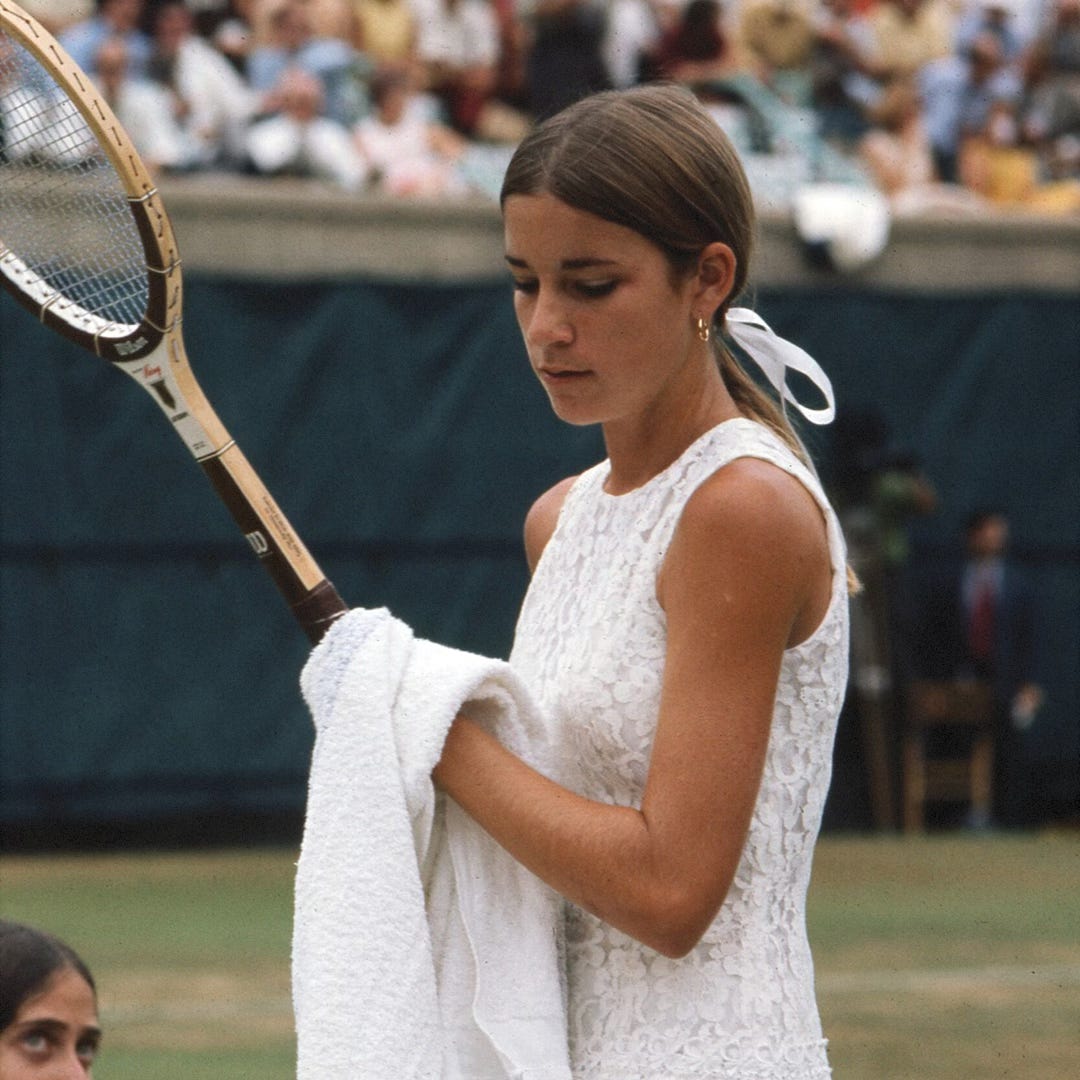
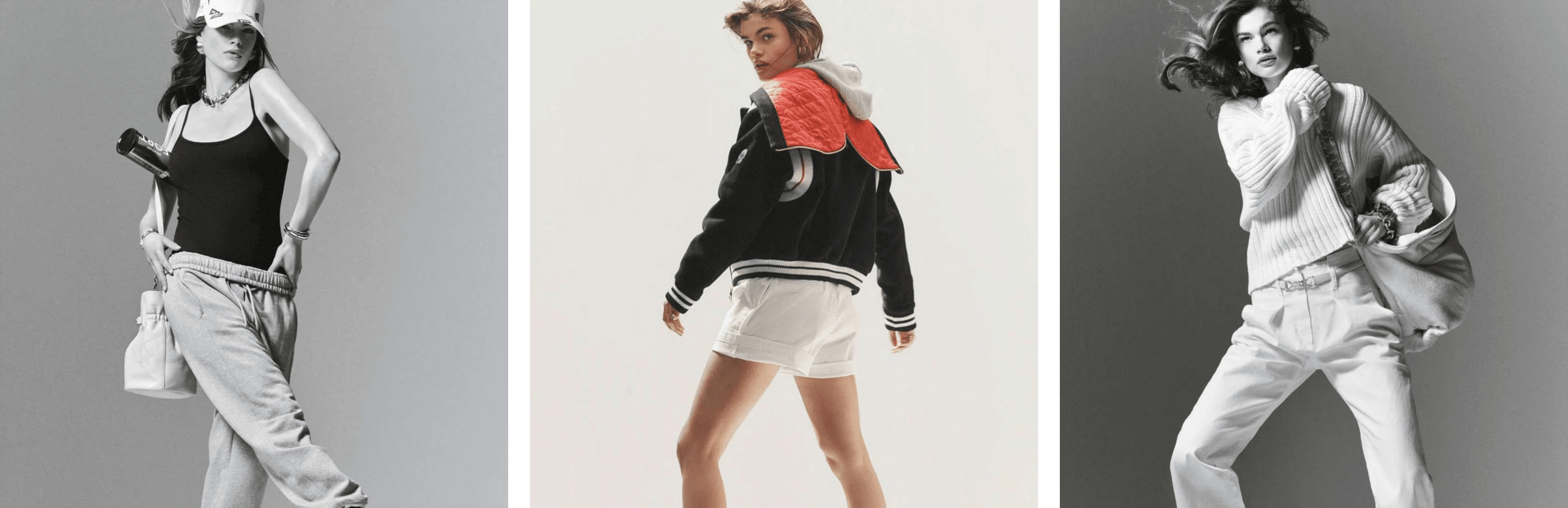
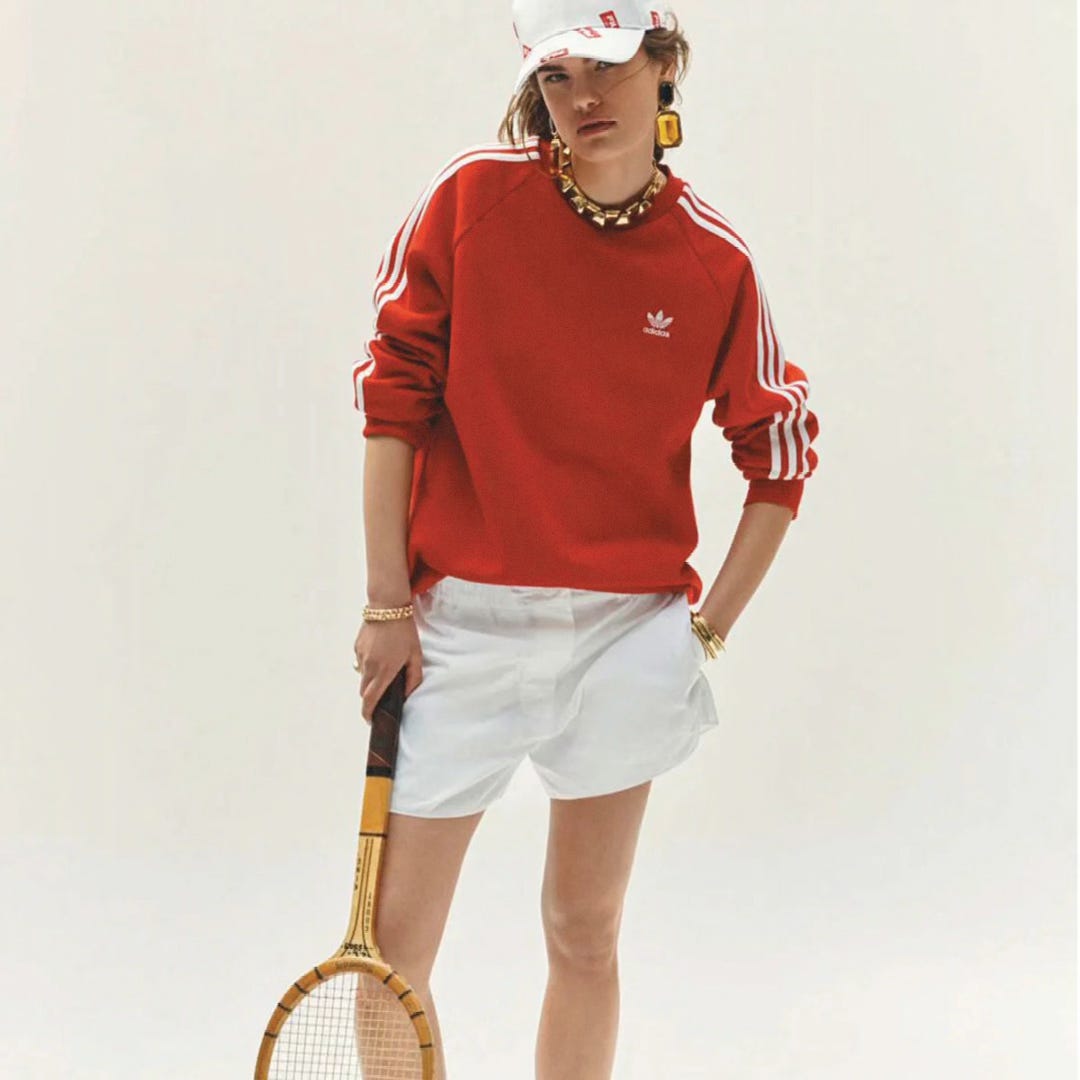
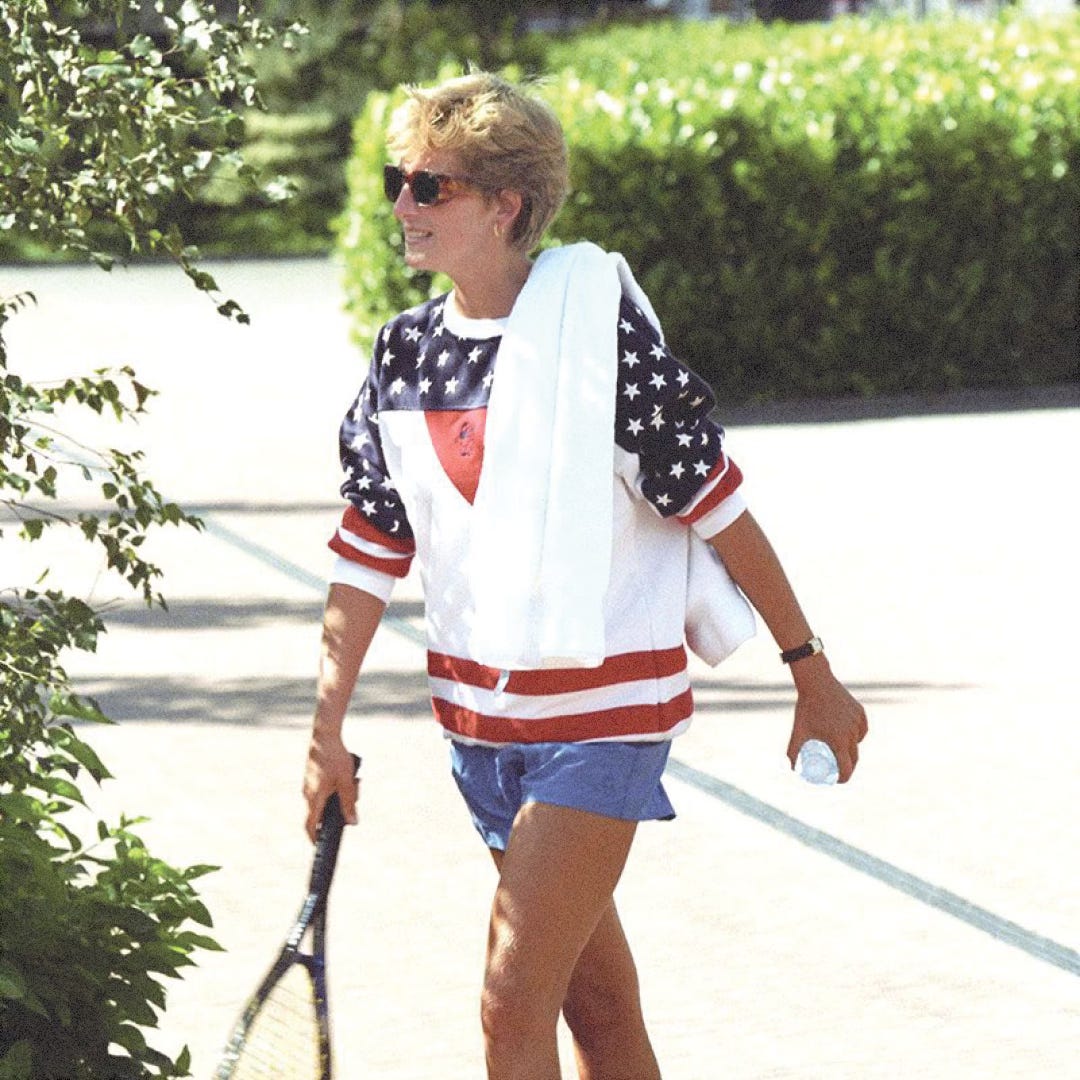
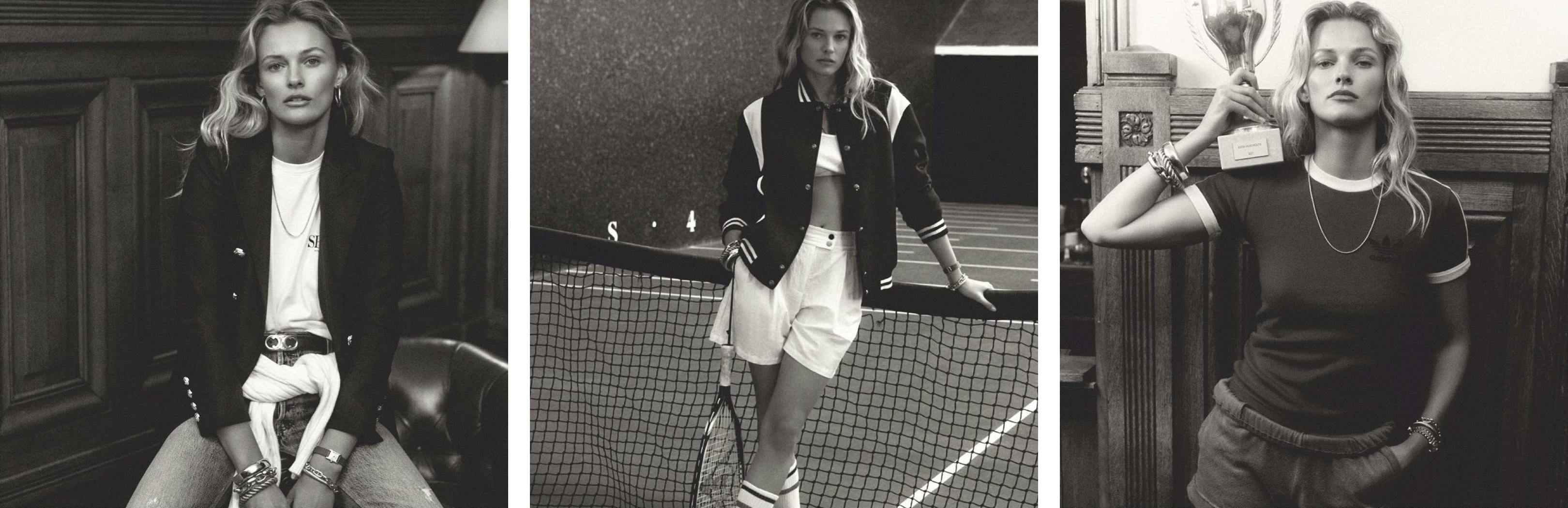
However, just as popular are the retro styles of the seventies through the nineties. A bold color palette and sporty silhouettes in nylon and velcro echo in today’s fashion just as much as the traditional look. At the time, these designs challenged the restrictive rules and popularized the sport beyond the upper class.
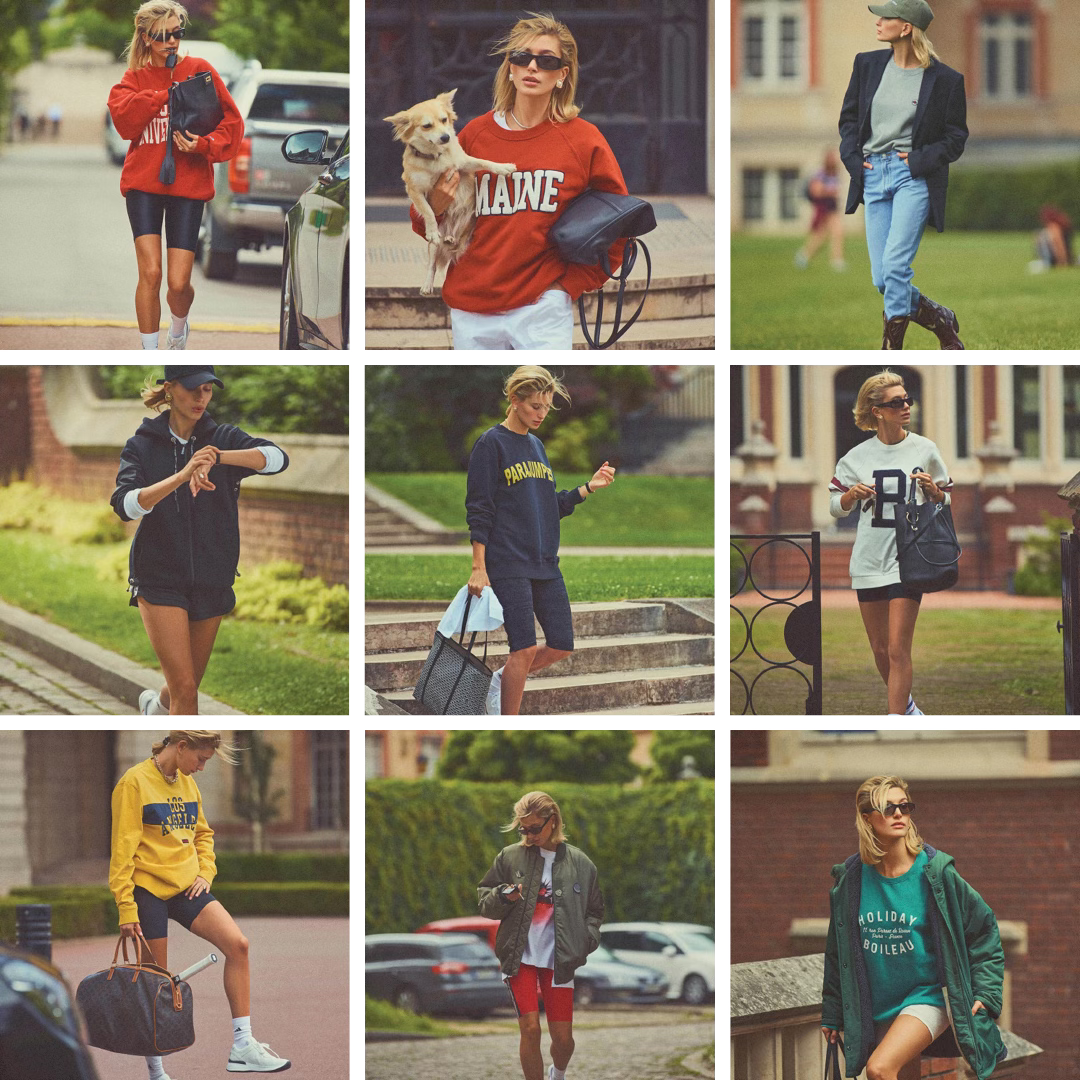
Regardless of whether you hit the balls or not, or which style you identify with, the sport will continue to influence fashion and its acolytes. So prepare yourself and your serve for a ‘game, set, match’ with the following inspirations.