wardrobe code: ballet
from stage to studio to street.

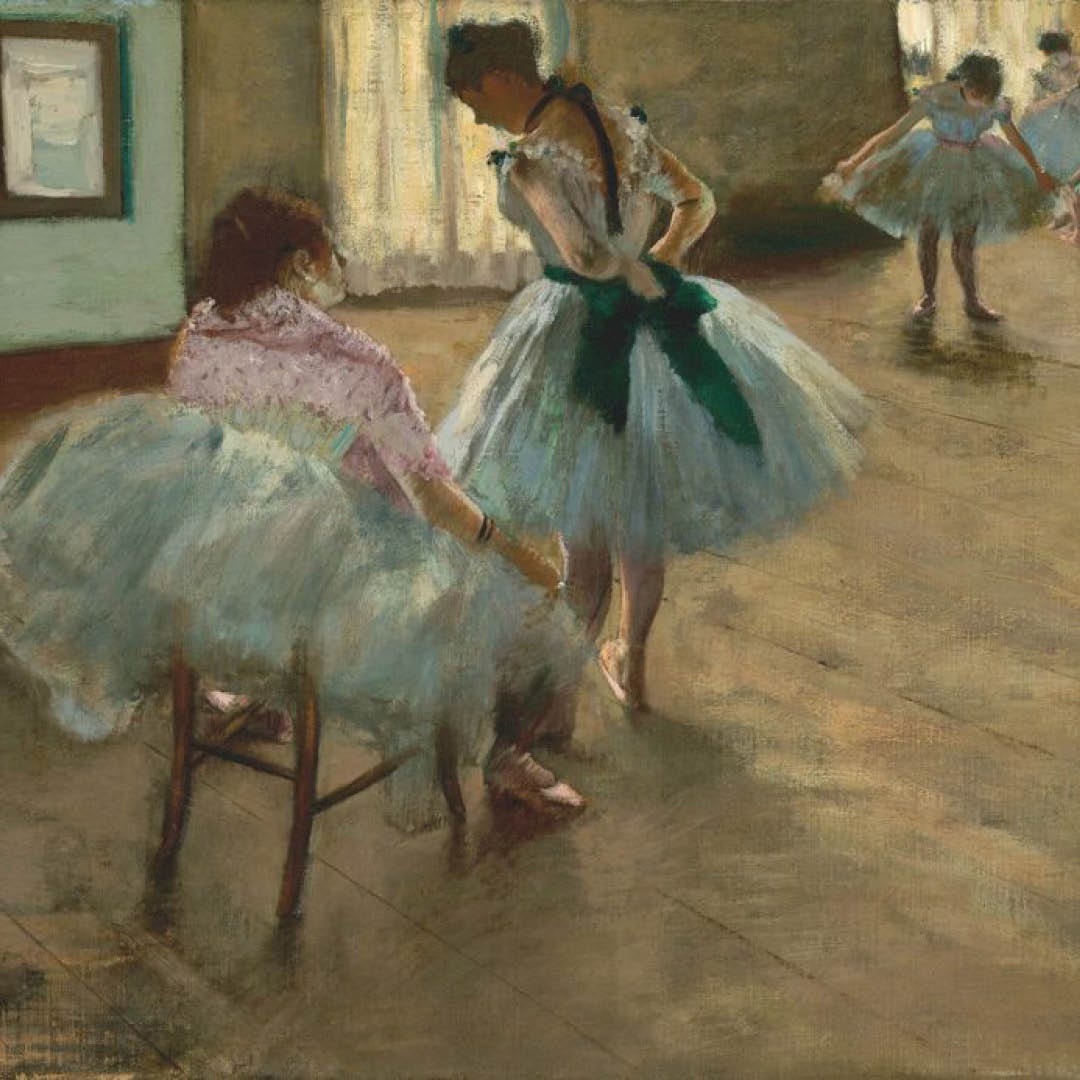
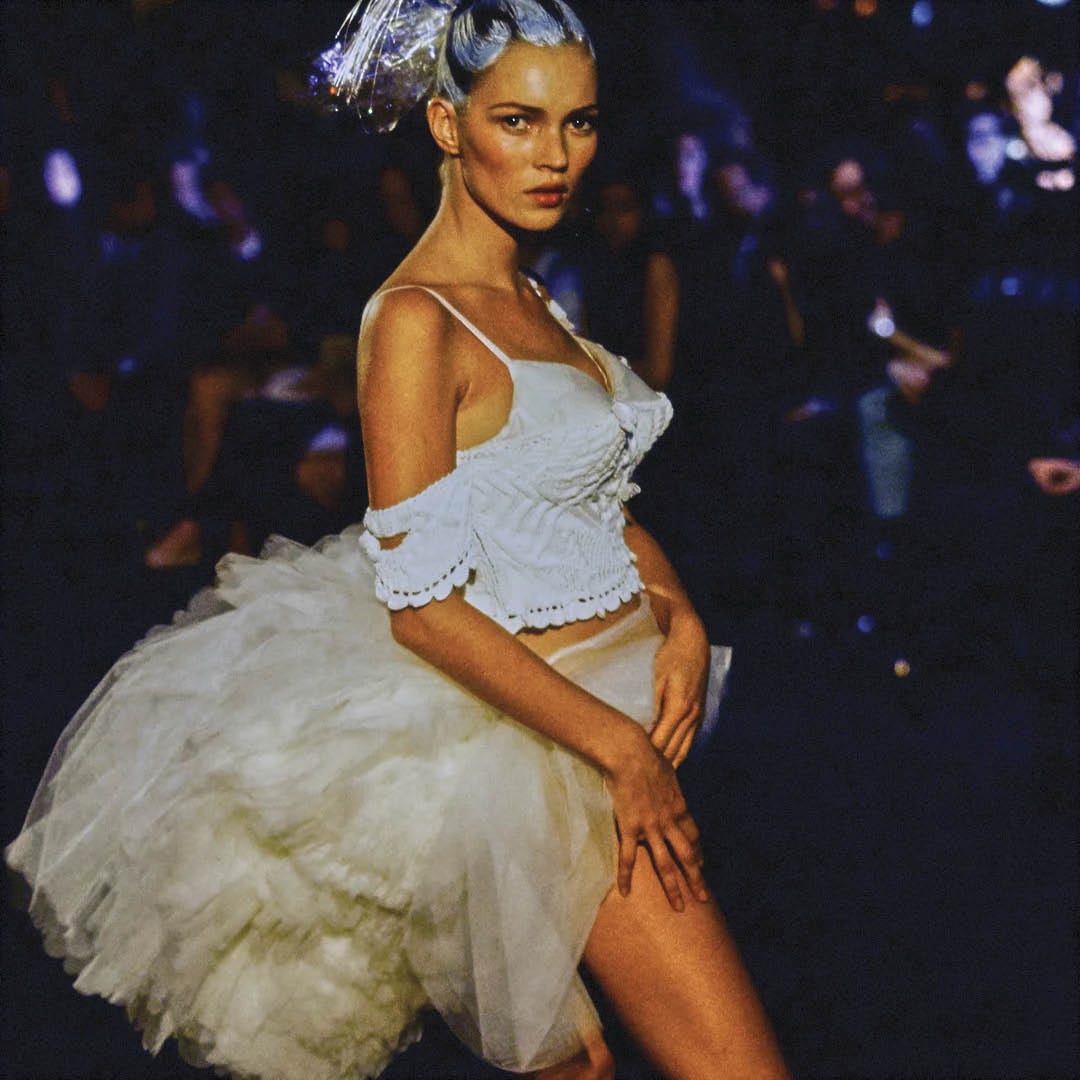
Like many girls, I was put in a ballet class at an early age. Although wearing its costume was lovely, I didn’t have much interest in the dance, and it showed in my lack of skill. Fast forward to now, I love ballet and, along with it, its fashion. And it’s not only me. For more than a century, fashion has drawn inspiration from ballet, captivated by its strictness and dreaminess. Designers incorporated elements of the costume, translating fantasy into reality. Nowadays, the trend highlights the ballerina’s silhouette through tutus and ballet flats in a light, pink-ish color palette.
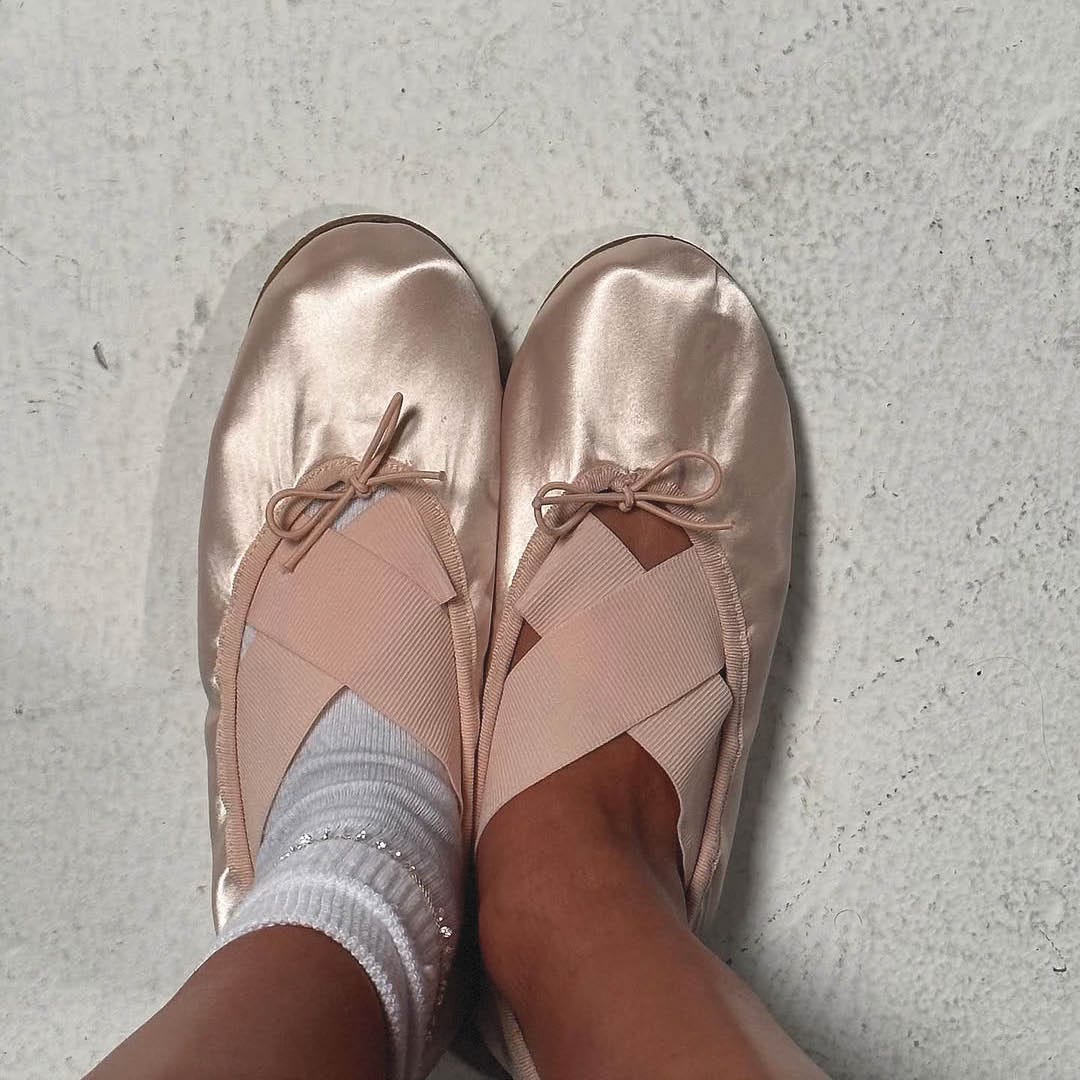
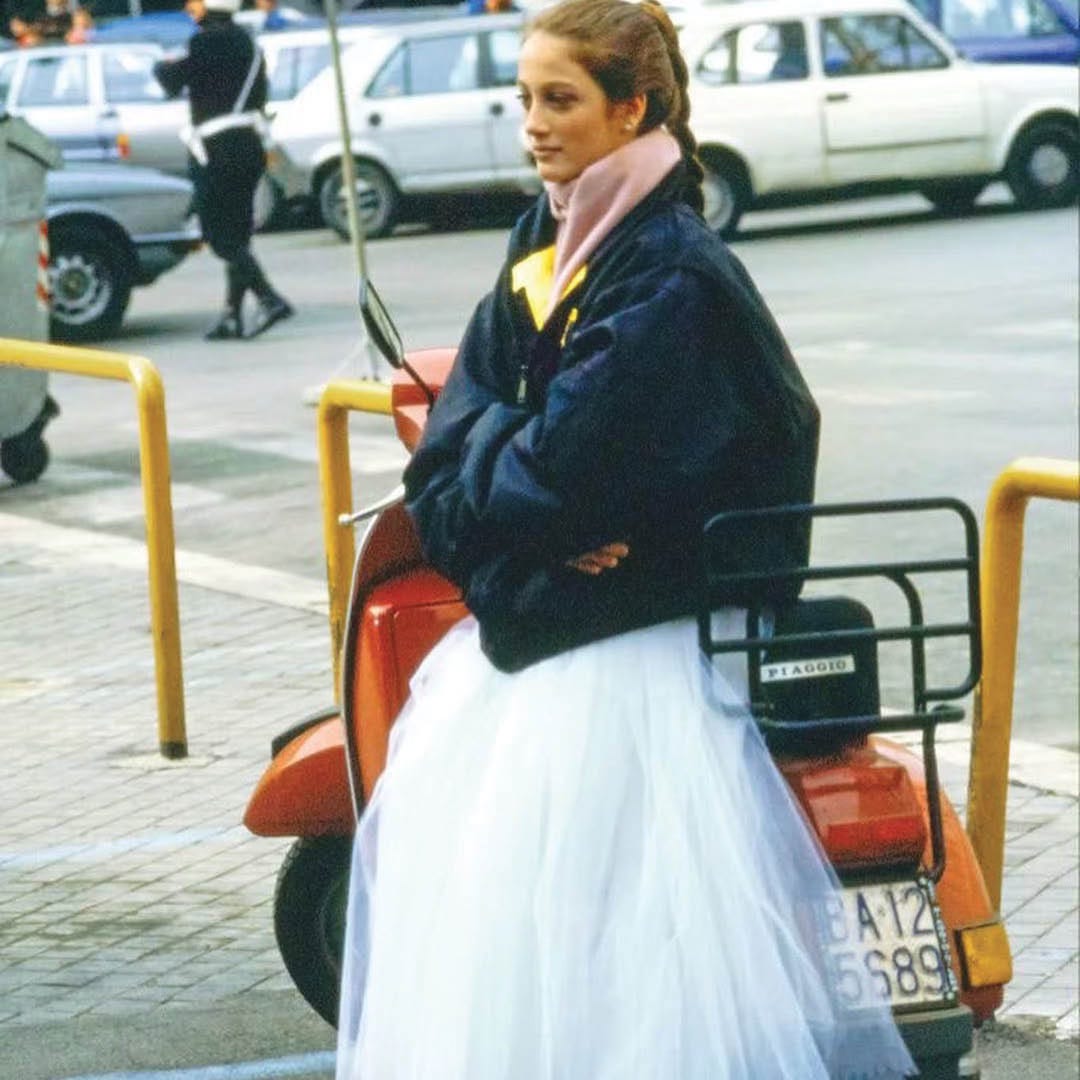
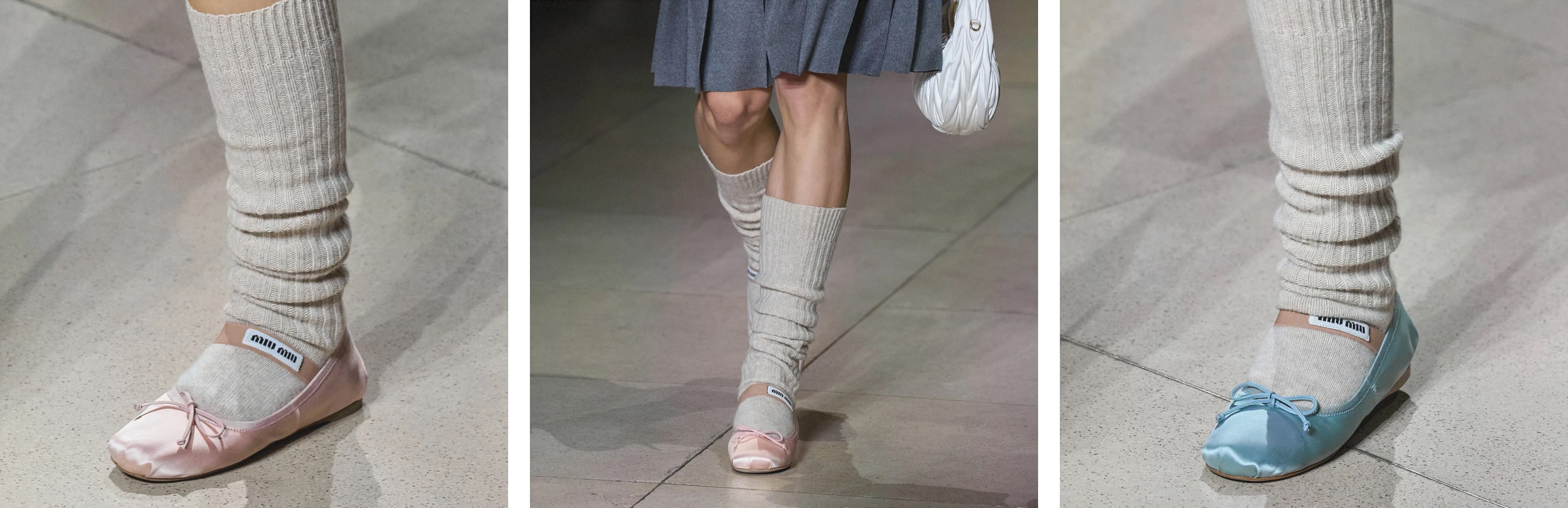
Especially over the past few years, ballet has gained popularity among those seeking to achieve both femininity and luxury. Miu Miu has popularized the look on the runway with satin and leather ballet flats and thick socks. Meanwhile, sportswear brands have popularized the look on the streets, extending it from the classic ballet aesthetic of the twenties and thirties to retro styles from the seventies and eighties.
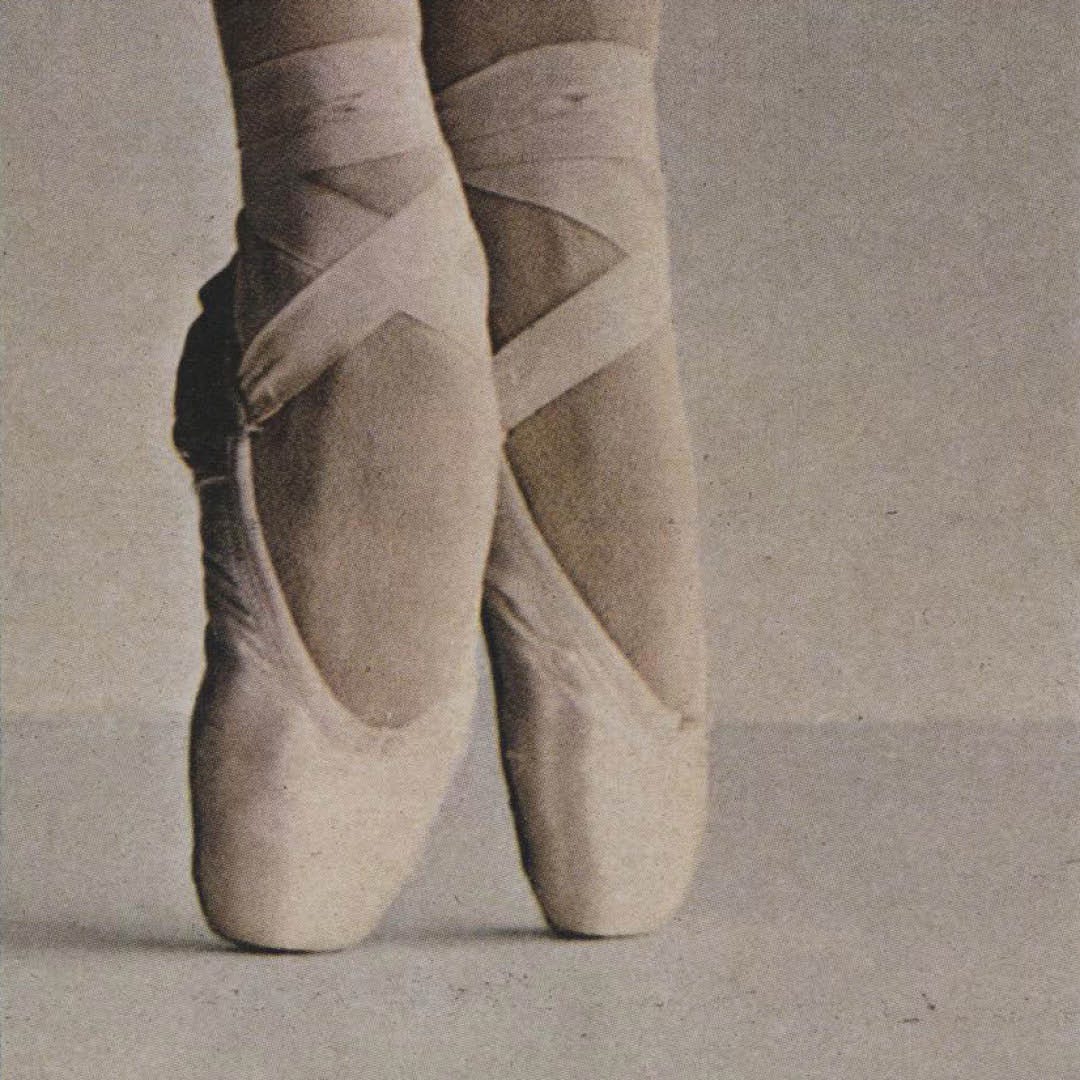
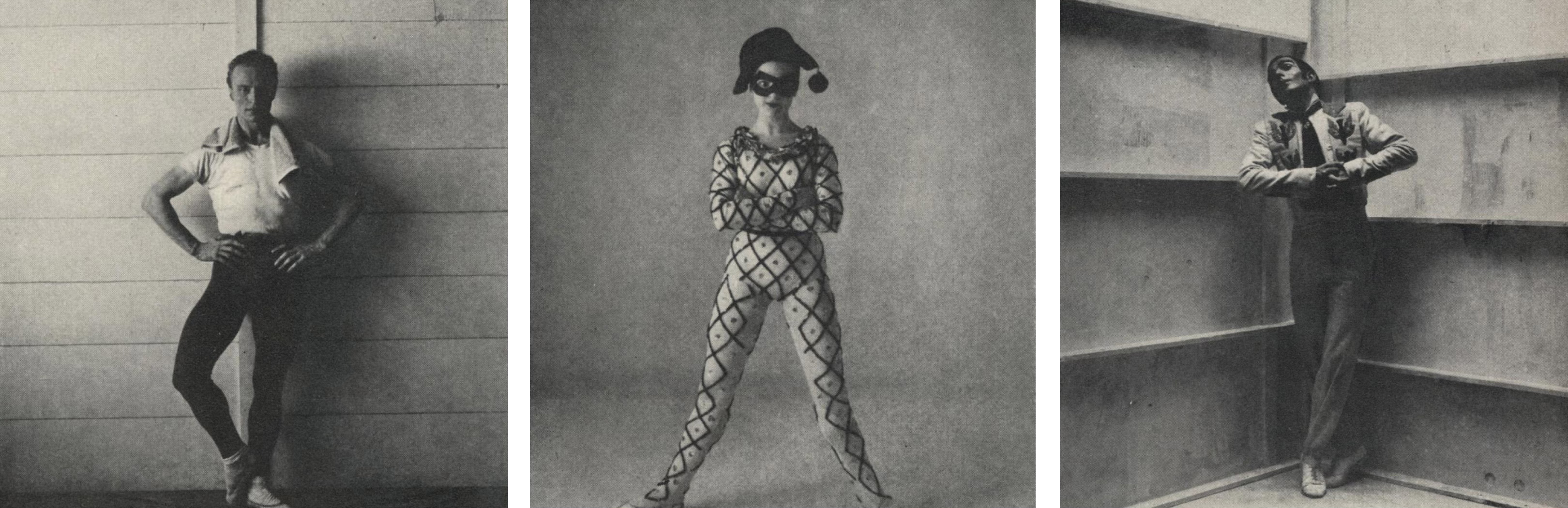
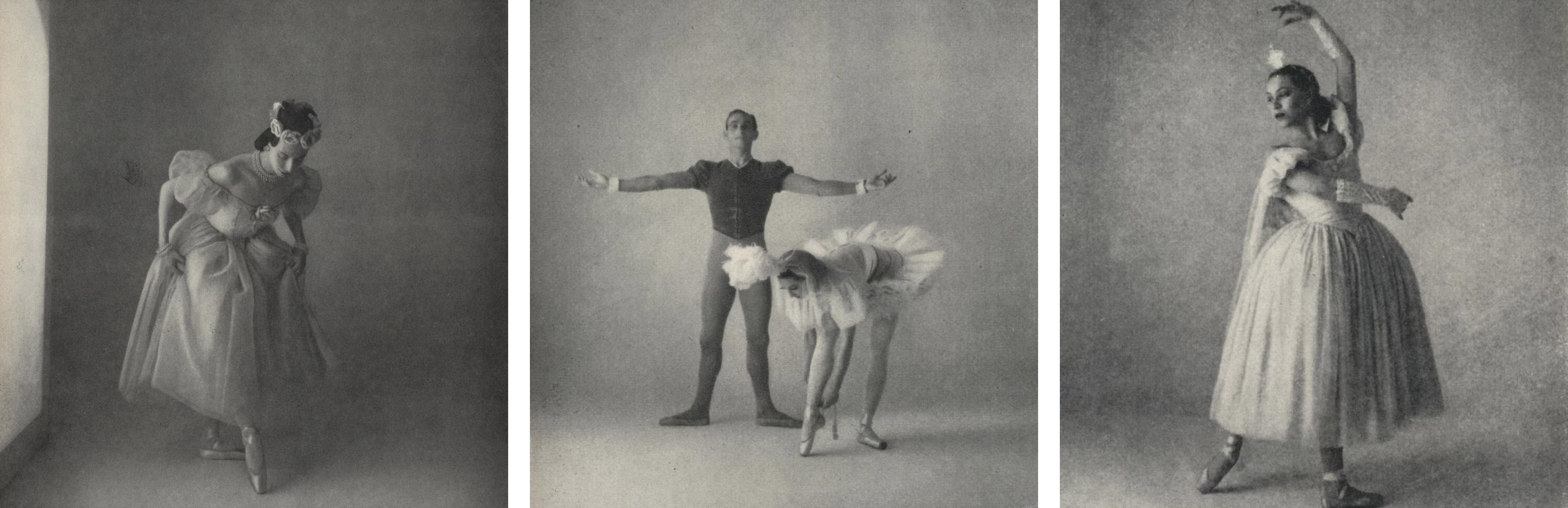
Though ballet is now considered a feminine art form, it was originally a masculine one. The dance was first introduced in France in the 1700s by King Louis XIV, with men performing in both male and female roles. It was only in the 1800s, after the French Revolution, that it became dominated by women — a shift owed to ballerina Marie Taglioni. She wore a fitted bodice and a sheer tulle skirt, paired with laced satin pumps. This look has since become the standard costume to this day. However, while women in the 1800s wore long dresses and high collars, ballerinas wore form-fitting costumes. Because of that, they were often compared to prostitutes. In the 1900s, with the debut of the Ballet Russes in 1909, ballerinas’ circumstances began to improve. The company founded by Sergei Diaghilev changed how ballet was perceived and sparked a craze known as “balletomania.” The prima ballerina Anna Pavlova, in her Swan costume, became an idealized feminine symbol.
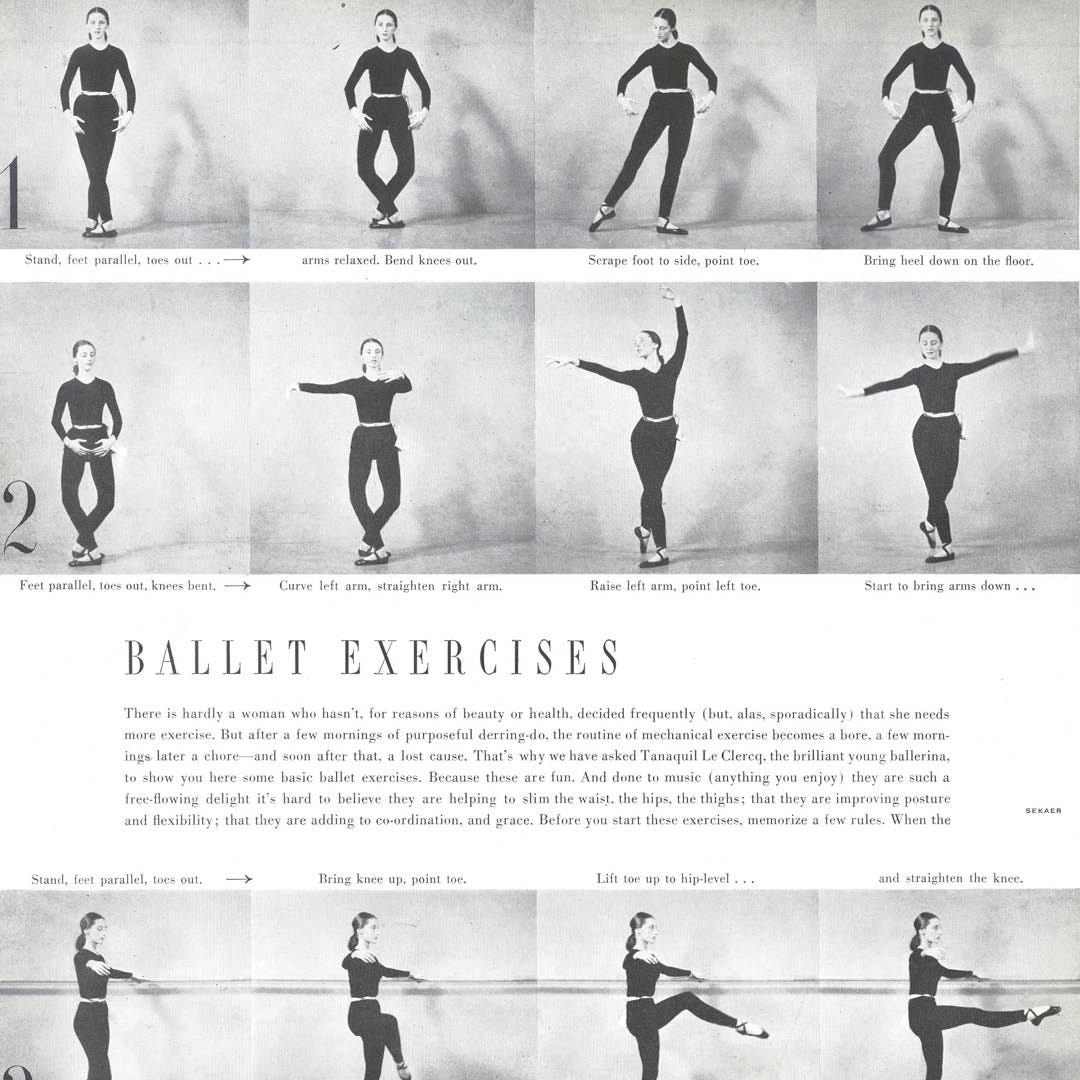
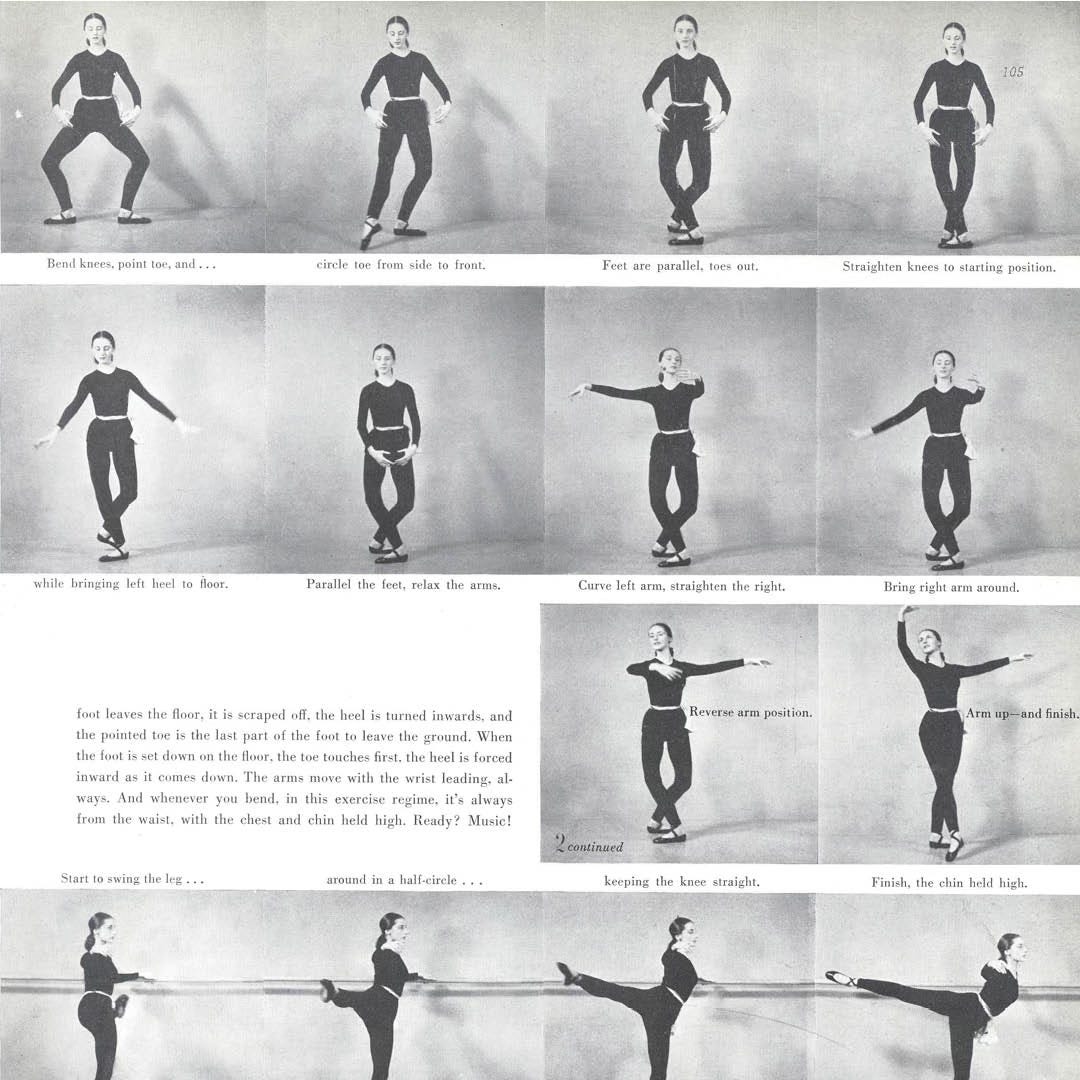
In the 1920s and 1930s, the ballerina’s signature costume inspired couturiers who made evening dresses that borrowed from tutus. An issue of American Vogue featured a piece on the Ballets Russes, further formalizing the relationship between fashion and ballet. The production’s costume designer, Christian Bérard, was close friends with fashion designers such as Coco Chanel, who later created ballet-inspired dresses, including a pink sequined gown. Bérard also mentored Christian Dior, who later created the New Look collection in 1947, drawing inspiration from the ballerina’s gown, with its cinched waist and full A-line skirt. Over the decades, multiple designers borrowed from ballet’s costumes, yielding designs ranging from classic to eccentric. In the seventies and eighties, designers drew on leotards and studio clothes to create new forms of sportswear. However, soon after, its influence began to fade, and it has been sparingly used in collections since then.
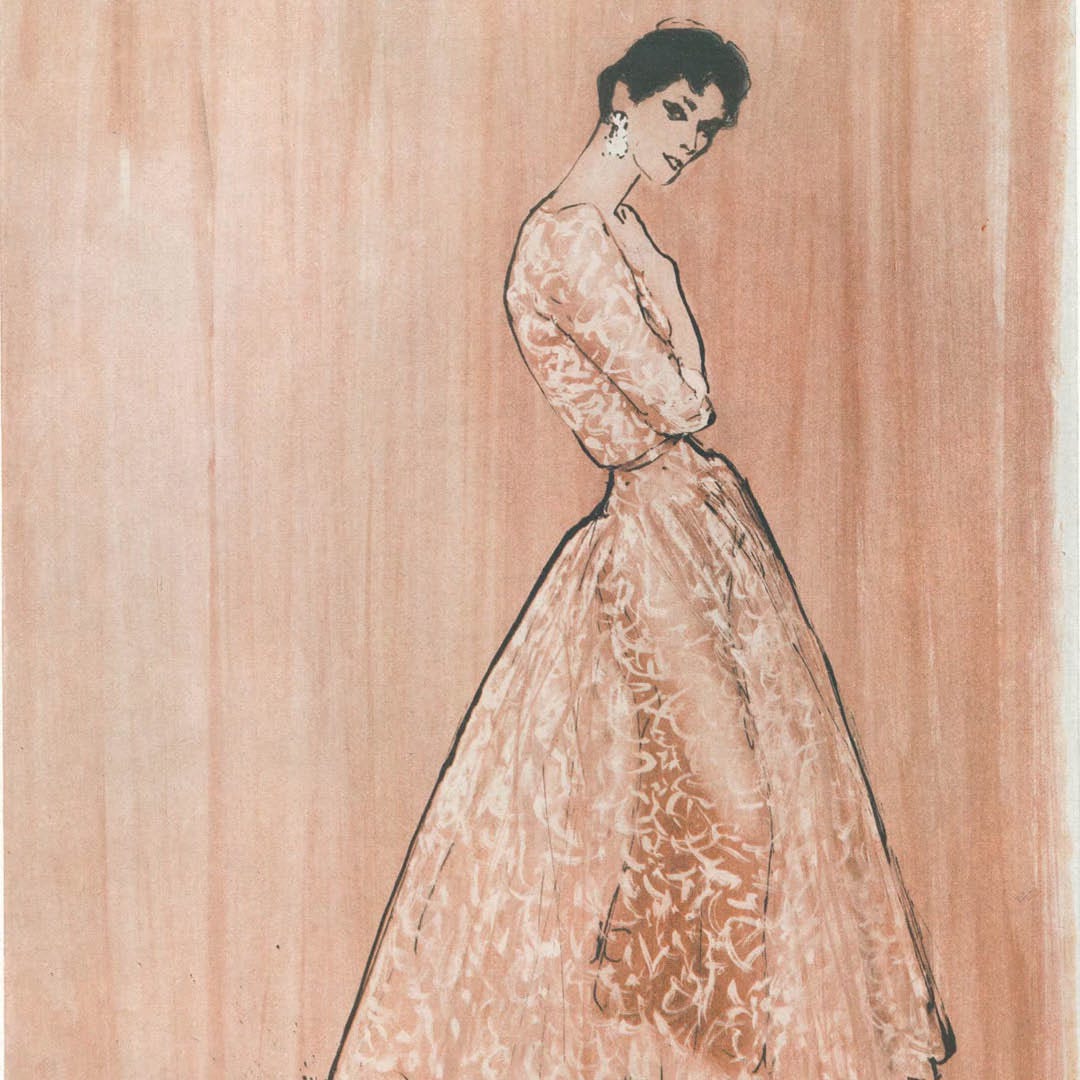
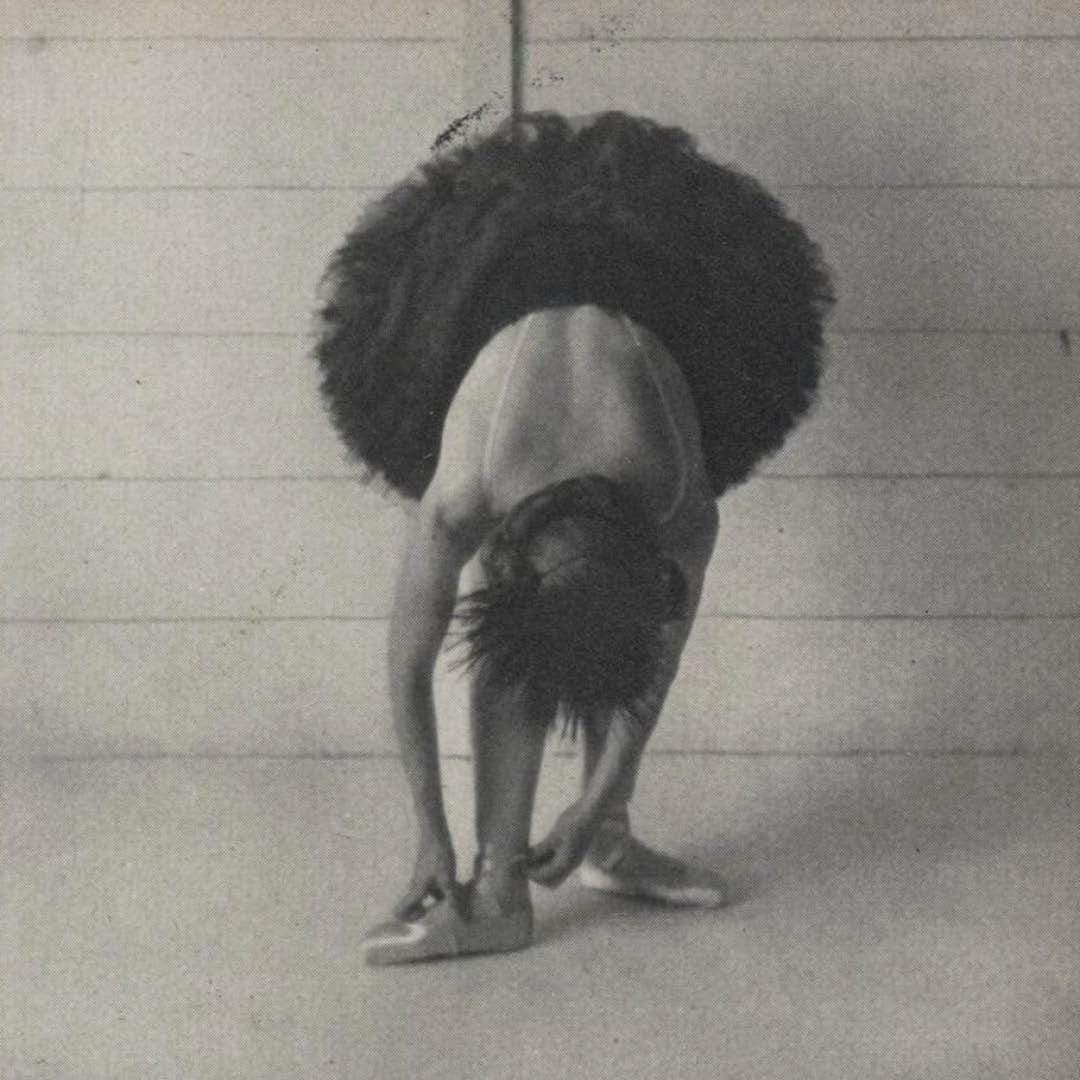
Though it waned by the 1980s, ballet never completely left fashion. But now, rather than being inspired only by the stage costumes, it is also by its in-between moments. The current wardrobe consists of wrap sweaters, leotards, leggings, skirts, sheer tights, thick socks, hair bows, and ballet flats, all in a nude and pink color palette. There’s also a focus on fabrics such as silk, lace, tulle, and chiffon.
In the end, ballet endures in fashion not because of nostalgia, but because of its constant reinvention. It shifts with each generation, moving from stage to studio to street. As designers continue to reinterpret these codes, ballet proves that a classic art can feel endlessly contemporary.